
How to Dial In Espresso Without Losing Your Mind

Updated: Oct 2
Dialling in espresso sounds complicated, but the basic rule is simple: change one thing at a time.
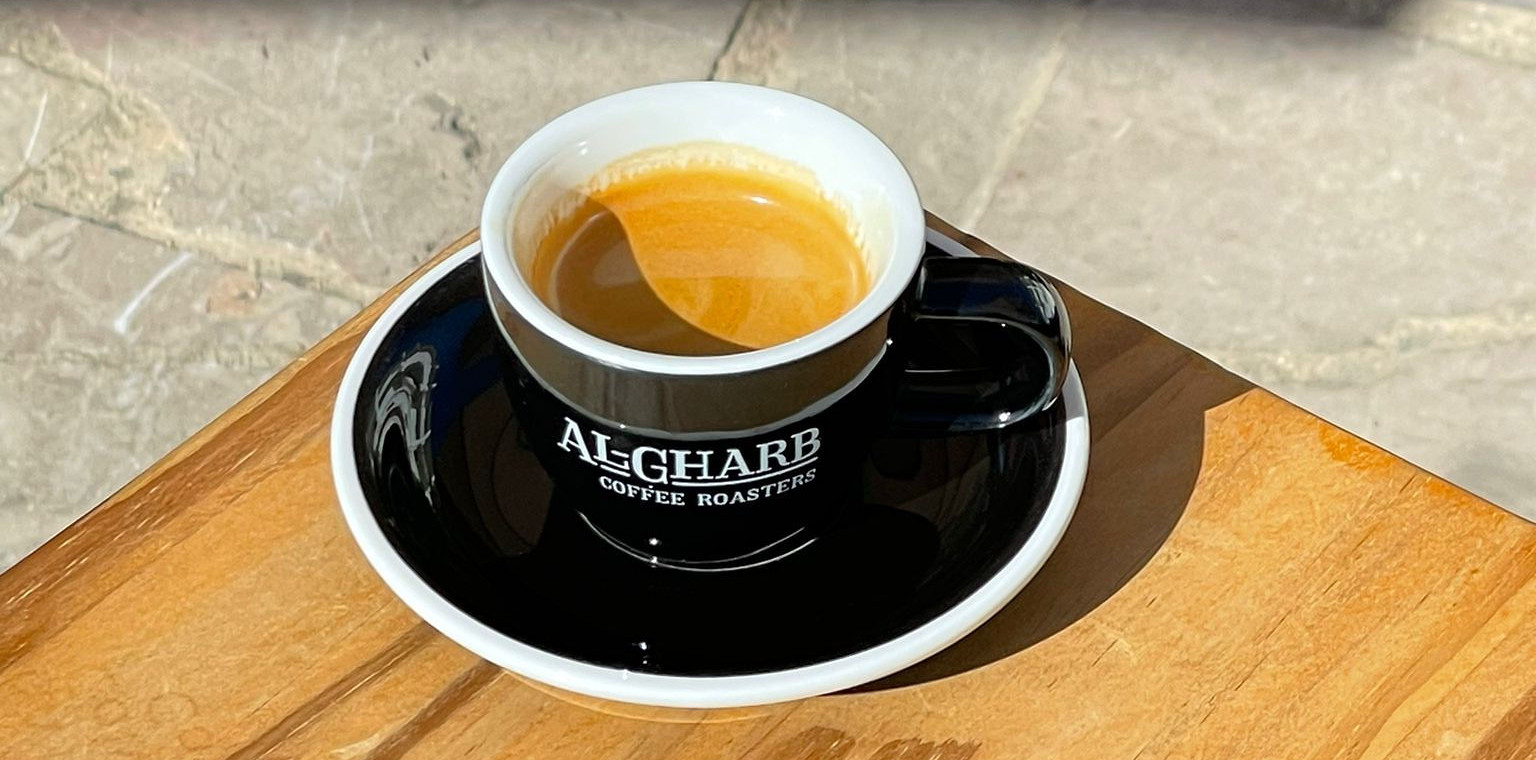
Dialling in espresso is the core task in order to achieve a repeatable quality in your espressos. Every time you get a new grinder, or new beans, this is a task that Baristas face, that can easily become overwhelming and intimidating.
The term "dialling in" refers to getting the espressos right - finding the correct recipe for the espresso.
Many factors influence the quality of espressos and you will not be able to pull perfect shots - every time. But we can do everything to better our chances.
Some of those factors are:
- Water quality
- water temperature
- time of extraction
- amount of water
- roast level of coffee
- consistency of grind
- grind size
- tamping pressure
- cleanliness of equipment
☕ Here's our starting espresso recipe
This is where I normally begin:
Dose: 18g coffee
Yield: 40g espresso
Time: roughly 25–32 seconds
Temperature: around 93°C
That doesn't mean every espresso should be made this way.
It means we need to start somewhere.
Think of this as coordinates, not commandments.
If your best espresso ends up being:
18g in → 42g out → 34 seconds
fantastic.
If it tastes delicious, I'm not going to appear at your house and confiscate your espresso machine.
The recipe helps us get there.
Taste decides when we've arrived.
Before you start, check the water temperature of your espresso machine and if you can change it. Ideally the water should be between 90 and 95ºC. If the temperature is too hot it will burn the coffee if it is too low the espresso will be under-extracted and taste sour and weak. Our main espresso machine runs at 93ºC.
For this crucial process we follow an easy rule ….
Only change one thing at a time
This is the rule we follow in the roastery and café.
If your espresso doesn't taste right and you simultaneously change the grind, dose, temperature and amount of water, then make a fantastic espresso...
Congratulations.
You have absolutely no idea what fixed it.
So we're going to make this easier.
We'll choose a starting recipe.
We'll keep most things constant.
And initially we'll change just one variable: grind size.
First: dose and yield
Coffee people have managed to create some slightly unnecessary terminology around making a very small drink.
The two words you really need are:
Dose
The amount of dry ground coffee going into your portafilter.
For our starting recipe:
18g
Yield
The amount of liquid espresso that ends up in your cup.
For our starting recipe:
40g
So when you hear somebody say:
18 in, 40 out
that's all they mean.
18 grams of ground coffee becomes 40 grams of espresso.
Nothing mysterious.
You need scales
I know.
Another piece of coffee equipment.
But if you're serious about improving your espresso, scales are one of the genuinely useful ones.
You want scales capable of measuring to around 0.1g.
Ideally they'll also have a timer.
If not, use the timer on your phone.
We're going to measure:
Coffee in.
Espresso out.
Time.
Without those numbers, you're mostly guessing.
And guessing makes troubleshooting considerably harder.
Start with the grind
The first thing I normally adjust is grind size.
Everything else stays the same.
Dose:
18g.
Yield:
40g.
Temperature:
93°C, if your machine lets you control it.
Now we see how long the espresso takes.
Shot runs too fast? - Grind finer.
Shot runs too slowly? - Grind coarser.
That's the basic principle.
A finer grind creates more resistance to the water.
A coarser grind creates less.
So your grinder effectively controls how difficult we're making it for the water to get through the coffee.
One annoying thing about grinders
When you change your grind setting, the coffee already inside the grinder doesn't magically disappear.
There will usually be some ground coffee retained inside.
So if you adjust the grinder and immediately make another espresso, you may still be brewing partly with coffee from the previous setting.
This is why we purge the grinder after making an adjustment.
How much coffee you need to purge depends on the grinder.
Some retain very little.
Others appear to be secretly building an emergency coffee reserve inside themselves.
You don't necessarily need to throw away two full shots every time you touch the grinder.
Just understand that after an adjustment, you want the next dose to actually represent the new grind setting.

Round 1
Let's make an espresso.
Grind:
18g coffee.
Distribute it evenly in your basket.
Tamp.
Put your cup and scales underneath.
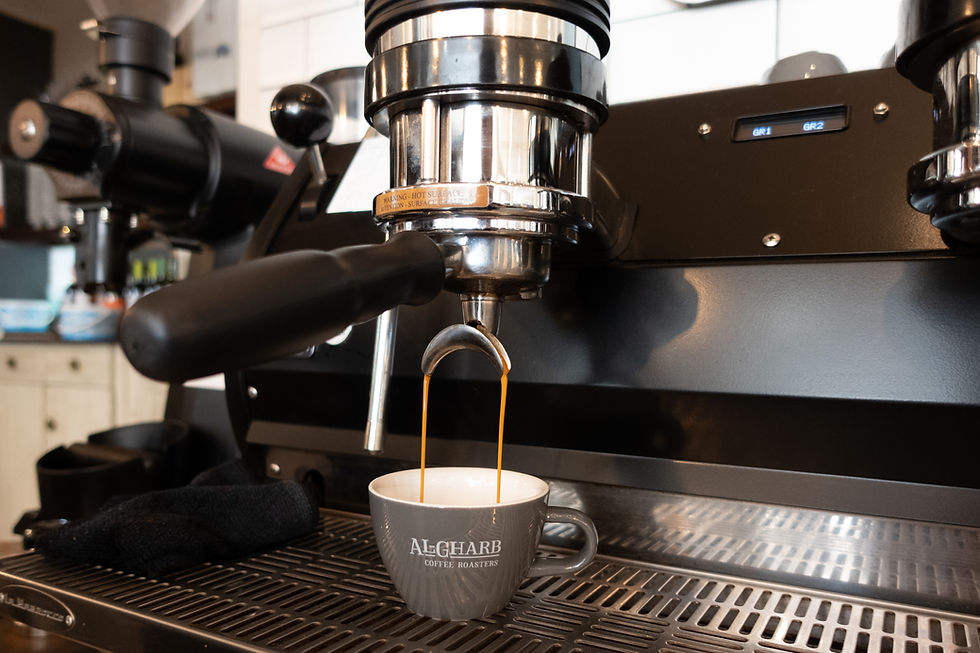
Start the shot and timer.
Stop when the scales show:
40g espresso.
Now look at the time.
40g in 18 seconds?
That's pretty fast.
Grind finer.
40g in 45 seconds?
That's pretty slow.
Grind coarser.
Somewhere around 25–32 seconds?
Excellent.
Now stop staring at the timer.
Taste it.
Because this is where dialling in actually starts.
What does the espresso taste like?
Numbers can tell us what's happening.
They can't tell us whether the coffee is delicious.
Sour, sharp or thin?
You're probably not extracting enough.
Try going slightly finer.
Bitter, harsh or dry?
You may be extracting too much.
Try going slightly coarser.
Sweet, balanced and full?
Excellent.
Drink it.
You don't need to keep adjusting an espresso because the internet says your 31-second shot would technically be better at 29 seconds.
Round 2
Now we repeat.
Same coffee.
Same dose.
Same yield.
Same temperature.
The only difference is the grind adjustment.
Pull another shot.
Measure the time.
Taste it.
Is it better?
If yes, you've moved in the right direction.
If it's worse, you've learned something equally useful.
Go back.
This is essentially what dialling in is:
Brew → taste → adjust → brew → taste.
You're narrowing down the recipe until you find the point where the coffee tastes the way you want it to.
It gets considerably easier with practice.
Don't judge espresso by crema alone
Crema can give us clues.
But please don't use it as a quality score.
A thick golden crema does not automatically mean good espresso.
Robusta, for example, tends to produce plenty of crema, which is one reason you'll often see it in traditional espresso blends.
Likewise, a coffee producing less crema isn't automatically badly extracted.
Look at the espresso.
But more importantly:
Taste it.
Your mouth is considerably more useful than Instagram when deciding whether an espresso is good.
Once the grind is close, play with the yield
Now things become more interesting.
Let's say you've reached:
18g in
40g out
29 seconds
Everything looks sensible.
But you still think the coffee could taste better.
Now we can start changing something else.
For example, yield.
Try:
18g in → 36g out
Taste it.
Then:
18g in → 42g out
Taste again.
Shorter ratios generally give you a more concentrated espresso.
Longer ratios can extract more from the coffee and give you a less concentrated drink.
Which is better?
You know what I'm going to say.
Taste them.
Then experiment with dose
Dose is another variable.
But I wouldn't start there.
Your espresso basket is designed to work within a certain dose range, so putting 12g into a basket designed for 18g isn't particularly helpful.
Once you've found a sensible grind and yield, you can experiment with small dose changes.
Perhaps:
17.5g
or
18.5g
Not:
18g wasn't perfect so let's try 24g.
Small changes.
One at a time.
What about temperature?
At Al-Gharb, our main espresso machine normally runs at around 93°C.
That's a very good starting point.
But different coffees can respond differently to temperature.
A light roast may benefit from hotter water.
A darker roast may taste better slightly cooler.
Temperature can be a useful tool.
But again, don't start there.
Get your grind, dose and yield into a sensible place first.
Then experiment.
Otherwise you're trying to solve five problems simultaneously.
Coffee changes, so your grinder needs to change too
This catches people out.
You dial in your espresso perfectly.
Wonderful.
The next morning you make exactly the same recipe...
And it runs differently.
Nothing is necessarily wrong.
Coffee changes as it ages.
Temperature and humidity change.
Your grinder warms up.
Different bags—even of the same coffee—can behave slightly differently.
This is why professional cafés dial in their espresso regularly.
The grinder setting isn't:
Quimera = number 7 forever.
It's:
What grind setting makes Quimera taste good today?
That's an important difference.
And very fresh coffee can make your life harder
This is also why we rest our espresso coffee.
At Al-Gharb, we normally give espresso coffee time to degas before putting it on the bar.
Very freshly roasted coffee can contain a lot of CO₂, which can make espresso more difficult to extract consistently.
So if you've bought coffee roasted yesterday and you're struggling to dial it in, the problem might not be your grinder.
The coffee might simply need a little time.
That's why I generally prefer our espresso coffees after they've had some rest.
Fresh doesn't always mean ready.
In Summary here's espresso rule
If you've made it this far, here's the entire article again:
Start with a recipe.
For us:
18g in → 40g out → roughly 25–32 seconds → around 93°C.
If it's much too fast:
Grind finer.
If it's much too slow:
Grind coarser.
Then:
Taste it.
Change one thing.
Make another espresso.
Taste again.
Repeat.
Don't chase numbers simply because somebody told you that a perfect espresso takes exactly 30 seconds.
There is no prize for hitting 30.00.
The numbers are there to help you make better decisions.
The flavour trumps it all.
And if your espresso tastes fantastic at 35 seconds?
Stop dialling.
Sit down.
Drink it before it gets cold.
— Henning Al-Gharb Coffee Roasters, Algarve
☕ Want to make better coffee at home?
Join The Friday Filter.
One useful coffee tip every Friday from the Al-Gharb Coffee Roasters.
Brewing advice, coffee experiments, things we've learned from roasting—and occasionally things we've learned by getting it completely wrong.
No coffee snobbery. Just better coffee.




Comments