
How to Read a Coffee Label (Without Needing a Coffee Dictionary)

Updated: Oct 17
Coffee labels can feel like a language of their own. From origin and processing to roast dates and tasting notes, Henning explains what it all means—and how to choose your next bag with confidence.

You pick up a bag of coffee and read:
Ethiopia. Heirloom. Natural. 1,900 masl. Peach and blueberry.
You were looking for something to drink with breakfast. Apparently, you’ve enrolled in a geography lesson.
Learning how to read a coffee label makes choosing coffee much easier. Those unfamiliar words offer clues about where the coffee grew, how it was produced and what you might enjoy about it.
You don’t need to understand every detail. Here’s where I would start.
HOW TO READ A COFFEE LABEL - Look out for these four things first:
Brewing method: Does the coffee suit how you make it?
Flavour notes: Do the descriptions sound like something you enjoy?
Roast date: When was it roasted?
Whole beans or ground: Are you buying the right format for your equipment?
That’s enough to begin making a useful choice. The rest of the label helps you explore further.
This is a guide to understanding the information you might find on a coffee bag, rather than a checklist of packaging regulations. Think of it as someone standing beside you at the coffee shelf, translating.
1. The coffee’s name: your starting point
A coffee might be named after its country, farm, washing station or producer. A blend might have a name chosen by the roaster.
The name helps you recognise a coffee you’ve enjoyed before. But it rarely tells you everything you need to know.
Look underneath it. The origin, processing method and tasting notes will usually give you a better idea of what to expect in your cup.
Try this: When you find a coffee you love, photograph the whole label. Remembering the details makes finding something similar much easier.
2. Origin: where did it grow?
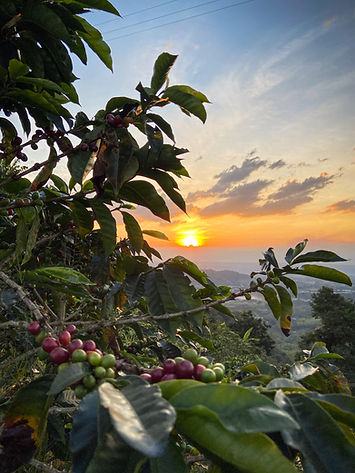
Origin information can range from a country to a specific farm or lot.
You might see:
Country → Region → Farm, cooperative or washing station → Lot
Each detail helps identify the coffee more precisely. A washing station, for example, may process cherries delivered by numerous smallholder farmers.
Growing conditions influence how coffee develops, but countries don’t have one fixed flavour. Two coffees from the same region can taste quite different because of their varieties, processing and roasting.
Use origin as a starting point for exploring. If you enjoyed one Colombian coffee, try another—but leave room for it to surprise you.
3. Variety: which coffee plant produced it?
Bourbon, Typica, Caturra, SL28 and Gesha are examples of coffee varieties.
Think of apple varieties: knowing whether you’re buying a Granny Smith or a Golden Delicious gives you a clue about the experience. Coffee varieties can offer clues too, although growing conditions and everything that happens after harvesting also matter.
On Ethiopian coffees, you may encounter the broad description “heirloom” or more specific variety names and numbers.
You don’t need to memorise them. Start noticing whether particular varieties appear on coffees you enjoy.
An impressive variety name is a reason to be curious. Your taste buds still get the final vote.
4. Altitude: what does “masl” mean?
Masl means metres above sea level.
A label stating “1,800 masl” tells you the elevation at which the coffee was grown.
Elevation affects growing conditions, particularly temperature. In many regions, cooler conditions slow the development of coffee cherries and can influence the resulting flavour.
But altitude isn’t a league table. Latitude, local climate and the coffee plant itself all affect what grows well in a particular place.
You can enjoy your coffee perfectly well without knowing how far up a mountain it started.
5. Processing: washed, natural or honey?
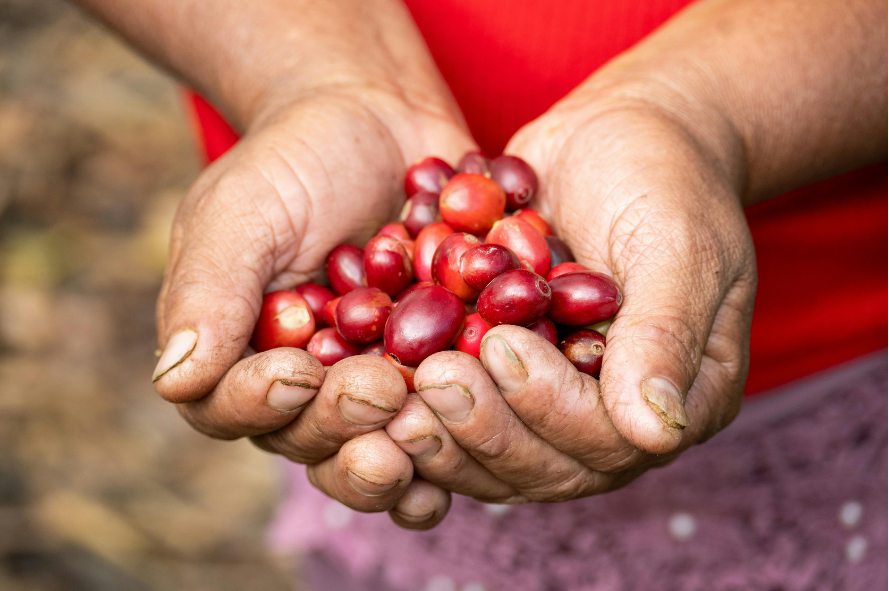
Processing describes how the fruit surrounding the coffee seed is handled after harvesting.
Three common descriptions are:
Washed: The skin and much of the fruit are removed before drying. Fermentation and washing are commonly used to remove the remaining mucilage.
Natural: The coffee dries inside the whole cherry before the dried fruit layers are removed.
Honey: The skin is removed, while some sticky mucilage remains around the seed during drying.
And no, honey processing doesn’t mean someone has added honey.
Processing can influence flavour. You may find washed coffees described as clean or crisp, and naturals as fruitier, but these are tendencies rather than promises.
Terms such as anaerobic fermentation describe additional aspects of processing. They can appear alongside “washed” or “natural”, rather than replacing them.
Try this: Taste two differently processed coffees side by side. It’s a much more enjoyable introduction than memorising terminology.
6. Producer: who is behind the coffee?
Look for the name of a farmer, family, estate, cooperative, producer group or washing station.
Coffee passes through many hands before reaching a roastery. Producer information helps make that work visible and gives you a clearer connection to its source.
A named producer doesn’t, by itself, prove a particular payment arrangement or certification. It does give you something specific to ask the roaster about.
“Who produced this?” is a good question. So is “What can you tell me about them?”
7. Lot information: what does “micro-lot” mean?
A lot is a defined batch of coffee kept separate from other coffee.
It might represent a particular harvest period, variety, plot or processing experiment. Keeping it separate allows its identity and characteristics to be preserved.
“Micro-lot” generally describes a small, separately identified lot, but there is no single universal size behind the term.
Treat it as a prompt to learn what makes that batch distinctive. Small doesn’t automatically mean better, and a lot number probably won’t help you choose breakfast coffee unless you already know the coffee.
8. Roast date: when did the green beans become brown?
The roast date tells you when the coffee was roasted.
That matters because roasted coffee changes over time. It releases gases after roasting, while its aroma and flavour gradually evolve.
However, “roasted five minutes ago” isn’t necessarily the ideal buying criterion. Coffee often benefits from resting before brewing, and the useful resting period varies with the coffee, roast, packaging and brewing method.
Ask your roaster when they recommend opening the bag.
My practical advice: Buy an amount you can work through comfortably, keep it well sealed and follow the storage guidance. A huge bag is only a bargain if you enjoy drinking the last part as much as the first.
9. Roast level: light, medium or dark?
Roast level gives you an idea of the style the roaster is aiming for.
Broadly, lighter roasts may emphasise floral, fruity or acidic characteristics, while darker roasts develop more pronounced roast flavours and bitterness. There is plenty of variation within those descriptions.
The complication is that roasters don’t all use these terms identically. One person’s medium can look rather dark to someone else.
Read the tasting notes alongside the roast description, and ask how the coffee behaves with your brewing method.
Choose the style you enjoy. There’s no prize for drinking a roast you dislike.
10. Tasting notes: has someone put blueberries in my coffee?
Usually, no.
On an unflavoured coffee, descriptions such as chocolate, orange or blueberry refer to flavours and aromas the tasters associate with the coffee. They aren’t an ingredient list.
If a coffee has added flavourings or ingredients, check the product information for those separately.
Tasting notes are most useful as broad directions:
Chocolate, caramel and nuts may appeal if you enjoy familiar, rounded flavours.
Citrus, berries and stone fruit may interest you if you like brighter, fruitier cups.
Floral descriptions suggest more delicate aromatic qualities.
These aren’t guarantees, and your brewing method will influence what you perceive.
Don’t worry if the label says peach and all you can identify is “quite delicious”. That’s useful information too.

11. Species: Arabica or Robusta?
Species and variety are different things.
Arabica and Robusta are the names you will most commonly encounter when buying coffee. Bourbon and Typica, for example, are varieties of Arabica.
Robusta generally contains more caffeine than Arabica, but the amount in your drink also depends on your dose, brewing method and serving size.
“100% Arabica” tells you about the coffee’s composition. It doesn’t tell you everything about its quality or whether you’ll enjoy it.
Again, use the whole label rather than letting one claim make the decision.
12. Net weight: compare what you’re actually buying
Check the amount of coffee inside the bag before comparing prices.
For example:
€15 for 250 g = €60 per kilogram
€18 for 500 g = €36 per kilogram
The second bag costs more at the checkout but less per gram.
That doesn’t automatically make it the right purchase. You may prefer the first coffee, want to try a small quantity or take longer to finish a larger bag.
Price per kilogram helps you compare value. Bag size helps you manage freshness.
A small amount of coffee maths can save you a surprisingly large amount of guesswork.
13. Best-before date: how is it different from the roast date?
These dates answer different questions.
Roast date: When was the coffee roasted?
Best-before date: Until when is it expected to retain its quality when stored as directed?
A best-before date concerns quality; it isn’t the same as a use-by date.
For choosing and enjoying coffee, check both dates and follow the storage instructions. Once you open the bag, your storage conditions also influence how its flavour holds up.
14. Brewing guidance: will it work with your setup?
Look for recommendations such as espresso, filter, French press or moka pot.
Some roasters also describe a coffee as omni-roasted, meaning it is intended to work across different brewing methods.
These descriptions help you find a starting point. A suggested recipe is useful too, especially if it includes the coffee dose, water quantity and brewing time.
Also check whether you’re buying whole beans or ground coffee. If you don’t own a grinder, choose a grind suited to your brewer or ask for help before ordering.
For help getting started, explore our coffee brewing guides.
What about certifications?
You may also see certification marks such as Organic, Fairtrade or Rainforest Alliance.
Each scheme has its own requirements. If a particular issue matters to you, read what the certification actually covers rather than assuming every logo means the same thing.
Certifications and tasting quality answer different questions. For more information about an uncertified coffee, ask the roaster what they can substantiate about its sourcing and production.
Your next bag: a quick decision
You don’t need to become an expert before choosing.
Start with your brewing method, look for appealing flavour notes, check the roast date and select whole beans or the appropriate grind. Then use the origin, variety and processing information to explore.
When you enjoy a coffee, keep a photograph of its label. Over time, you’ll build a useful record of your preferences—and better questions to ask when you want to try something new.
Ready to practise? Explore our coffees and see which description catches your attention.
The label can help you choose. The cup tells you whether you chose well.
— Henning Al-Gharb Coffee Roasters, Algarve
☕ Want to make better coffee at home?
One useful coffee tip every Friday from the Al-Gharb Coffee Roasters.
Brewing advice, coffee experiments, things we've learned from roasting—and occasionally things we've learned by getting it completely wrong.
No coffee snobbery. Just better coffee.



Comments